
SciTech Patent Art’s Freedom to Operate (FTO) Search helps clients identify potential patent risks before launching products in specific markets. Our expert teams use structured frameworks, AI-driven tools, and jurisdiction-specific legal filters to ensure comprehensive, relevant results, whether you need a freedom to operate patent search for a single jurisdiction or freedom to operate search services across multiple markets. The outcome is clear, actionable intelligence that supports confident decision-making in product development, licensing, and market entry strategies.
What is a Freedom to Operate (FTO) Search?
Freedom-to-operate (FTO) Search, also known as Freedom-to-practice (FTP), Right-to-Use (RTU), Right to market (RTM) or Clearance study, is a comprehensive analysis conducted to determine whether a product, process, or service can be developed, manufactured, and marketed without infringing on the intellectual property rights (such as patents) of others. A Freedom-to-Operate (FTO) Search is an important step in the product development cycle, particularly for industries that are heavily reliant on patents for commercialization, such as pharmaceuticals, biotechnology, electronics, and manufacturing.
This study is conducted in the following scenarios:
- Launching a new product/process or technology
- Expanding into new markets or jurisdictions
- Strategic Decisions (Design around strategies) – based on the findings of the FTO Search, companies can make informed decisions about how to proceed. This might include going ahead with the product launch, redesigning the product, seeking licenses or partnerships, or in some cases, abandoning the project
- To mitigate the legal issues or risk assessment
Why conduct Freedom to Operate Search?
Conducting a Freedom to Operate (FTO) study is crucial for several reasons, primarily related to legal, financial, and strategic aspects of product development and commercialization. This type of study is crucial for companies and individuals who want to avoid potential legal issues and financial liabilities that may arise from patent infringement. While freedom to operate search cost varies with jurisdictional scope and technology complexity, the investment is typically a fraction of what a single infringement dispute would cost.
Here are the key reasons to conduct an FTO Search:
- Avoiding Patent Infringement: This helps to avoid costly legal disputes, potential injunctions, and the need to pay damages or royalties due to infringement on existing patents.
- Reducing Legal Risks: This can be done by modifying the product, negotiating licenses, or developing alternative technologies.
- Cost Management: An FTO Search helps in avoiding the extremely expensive litigation costs, by identifying potential issues before the product is launched.
- Enhancing Market Confidence: An FTO analysis provides assurance to Investors, partners, and other stakeholders that a product is free from patent infringement risks, thereby enhancing market confidence and facilitating funding and partnerships.
- Identifying Licensing Opportunities: A Freedom to Operate Study can lead to licensing opportunities by analyzing existing third-party patents, that can enhance the product’s functionality or marketability.
- Facilitating Due Diligence: An FTO analysis helps in assessing the value and risks associated with the intellectual property of the target company during mergers, acquisitions, or other business transactions.
- Protecting Brand Reputation: An FTO Search helps in avoiding patent infringement and thereby protects the company’s reputation.
- Gaining Competitive Intelligence: An FTO Search can provide insights into the patent landscape of a particular technology area, offering valuable information to design around the patents.
Right time to conduct FTO Search:
Conducting a Freedom to Operate (FTO) study is crucial at various stages of product development and commercialization. Regularly updating the FTO study is also advisable, especially in fast-moving industries where new patents are frequently filed, to ensure the company remains aware of any new potential IP threats. Below are a few scenarios for conducting an FTO study:
Early in the Development Process
- Concept Stage: An initial Early-stage FTO Search can help identify potential patent barriers and guide the development direction during R&D investments.
- Design Phase: Early-stage Freedom to Operate Analysis can inform design decisions, allowing for modifications that avoid infringement risks.
Before Major Investments
- Prototyping: An FTO study should be performed before developing prototypes or conducting expensive trials, to avoid potential legal issues.
- Scaling Up Production: Before setting up manufacturing processes or investing in large-scale production, confirming Clearance study can prevent costly interruptions.
Prior to Commercialization
- Market Launch: Before product launch, conducting an FTO analysis helps to avoid last-minute legal challenges and ensures the company is prepared to handle any potential IP issues.
- Marketing and Sales: Ensuring Right to market before aggressive marketing campaigns can protect against infringing on competitors’ patents.
Entering New Markets
- Geographical Expansion: An FTO study helps identify active patents within a specific jurisdiction to understand the patent landscape, as patent laws vary by region.
Partnerships and Licensing
- Collaborations: Before forming partnerships or licensing agreements, conducting an FTO study helps identify and mitigate IP risks that could impact the collaboration.
- Mergers and Acquisitions: An FTO study is essential to assess the IP risks associated with the target company’s products or technologies during mergers or acquisitions.
Regulatory Submissions:
- Patent Clearance for Regulatory Approval: In industries such as pharmaceuticals and biotechnology, conducting FTO studies before submitting products for regulatory approval is crucial to ensure they are free of patent infringement issues.
SciTech Patent Art conducts Freedom to Operate (FTO) searches to answer questions such as the following:
Do you see any obstacles in my commercialization plan? If so, what are my commercialization options?
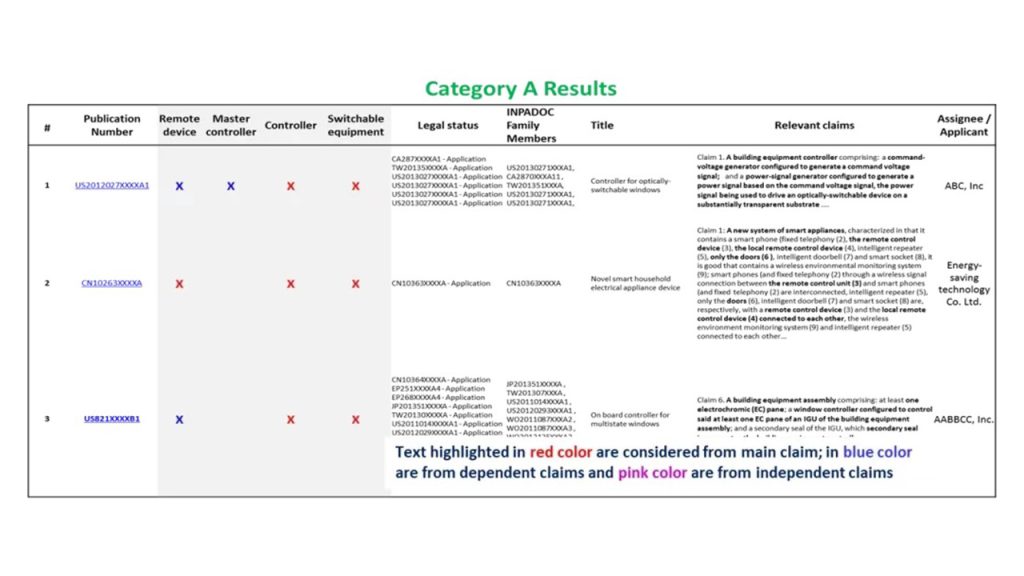
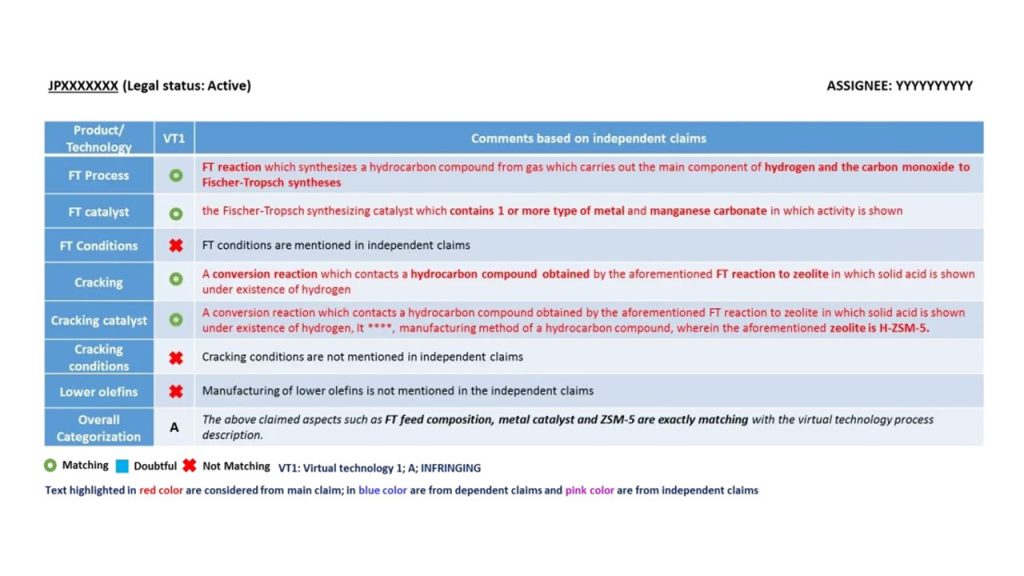
SciTech Patent Art conducts a Freedom to Operate / Right-to-Use / Infringement study for our clients before they launch a new product / technology in a new market to assess infringement risks or to identify licensing opportunities. It could also be used to understand if a competitor’s product /process is infringing your own Intellectual Property (IP). Such studies are business-critical as they directly impact the IP strategy adopted. Hence, a high level of expertise is required from the search service provider. SciTech Patent Art’s scientists are experts in Freedom to Operate / Infringement studies. We thoroughly analyze patent claims, compare the product / technology in question against the claims of active patents and provide our technical assessment. Our reports are typically accompanied by visuals that help you understand the rationale for our assessment. During the whole analysis stage, we work closely with you to ensure that we understand your needs.
Our Methodology for a Freedom to Operate (FTO) Search:
An effective Freedom to Operate study is conducted by collecting and analyzing information during the initiation of the study. The quality of the information gathered plays an important role in making the study effective.
SciTech Patent Art has been conducting Freedom to Operate searches for over two decades and has developed a Standard Operating Procedure (SOP), including unique approaches that often result in identifying good prior-art and potential blocking patents. Combining AI-driven platforms with deep subject-matter expertise allows us to deliver a fast freedom to operate search without compromising depth, which is why clients consistently rate us among the best freedom to operate search providers for complex, multi-jurisdiction studies.
Our Standard Operating Procedure includes:
- Spend significant time early on to understand the technology in detail
- Identify key features of the product / process
- Develop multiple search strategies using appropriate keywords and classification codes
- Conduct multiple searches across various databases
- Screen search results based on well-defined criteria to identify most relevant documents
- Analyze and categorize documents as per relevancy and verify legal status
- Provide comprehensive and intuitive report with technical analysis
Report format of a Freedom to Operate (FTO) search:
Our typical Freedom to Operate search report is in an Excel format that includes
The relevant patents are classified into two categories:
Examples of Freedom to Operate (FTO) Search