Prior Art Search / Landscape Analysis

Prior Art Search and Landscape Analysis

At SciTech Patent Art, our prior art search and landscape analysis services blend deep technical expertise with smart search strategies to deliver insights that fuel innovation. Whether it’s for R&D, IP strategy, or analysis of landscape trends, we map out the relevant patent and non-patent literature with clarity and precision. Our analysts go beyond surface-level results to uncover patterns, gaps, and opportunities — helping clients confidently shape their next moves in a fast-evolving technology landscape.

Prior Art Search and Landscape Analysis: What It Includes and Why It Matters

Prior art search and landscape services are among the most strategic tools available to innovators, IP teams, and R&D professionals. A thorough prior art search includes patents, scientific publications, technical standards, product documentation, and other publicly available sources that collectively define what was known before your invention. A prior art search of patent literature alone is rarely sufficient — the most effective searches combine patent and non-patent literature across multiple jurisdictions and databases to build the most complete picture of the technology landscape.

Landscape searches are conducted to answer questions such as the following:

What is the current state-of-the-art in my technology of interest? And what opportunities exist for future research?

Many R&D and technology development clients, before embarking on a new development program — be it a new technology, product, or service — would like to understand what has been done already and what problems still remain to be solved. This is where a state-of-the-art landscape analysis helps. We look at both patents and scientific publications to provide a broad picture of the technology’s evolutionary background, types of problems that have been solved, approaches used, and issues that have still not been resolved. The analysis of landscape data also reveals white spaces — areas where innovation opportunities remain underexplored.

Prior art identified through a landscape search is not just about clearance or invalidity — it also informs R&D direction, investment decisions, and partnership strategy. Understanding what prior art in patent law is essential here: prior art encompasses any publicly available disclosure — patent, publication, product, or presentation — that predates your patent’s priority date and could affect the novelty or inventive step of your claims.

Key Deliverables

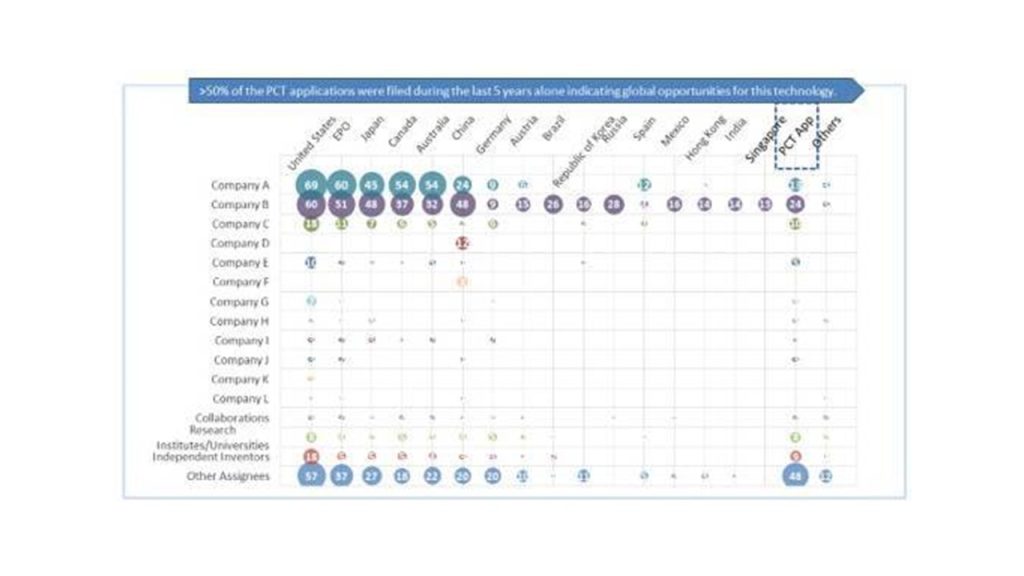
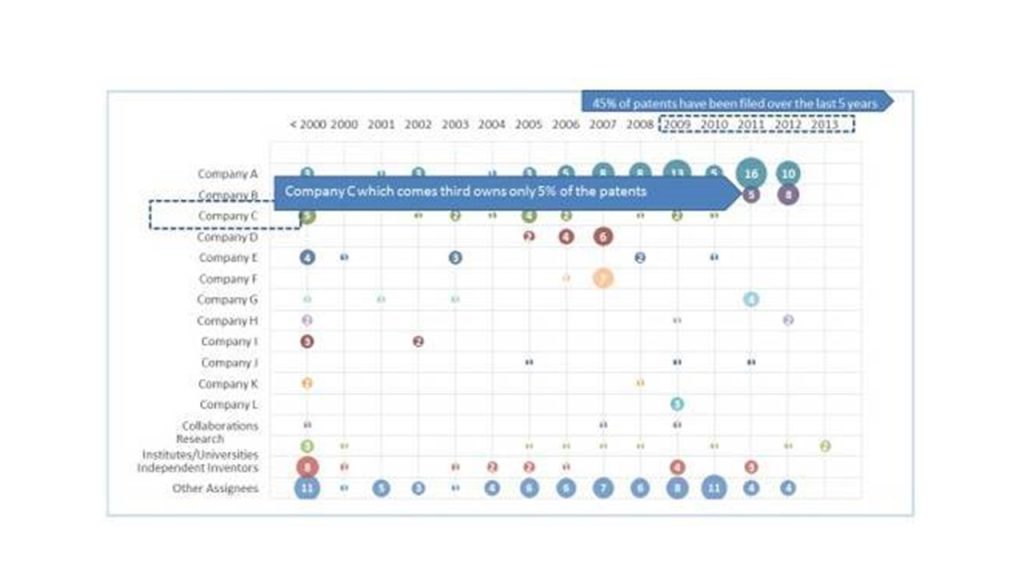
  • Bibliography trends across geographies, timelines, and technology developers
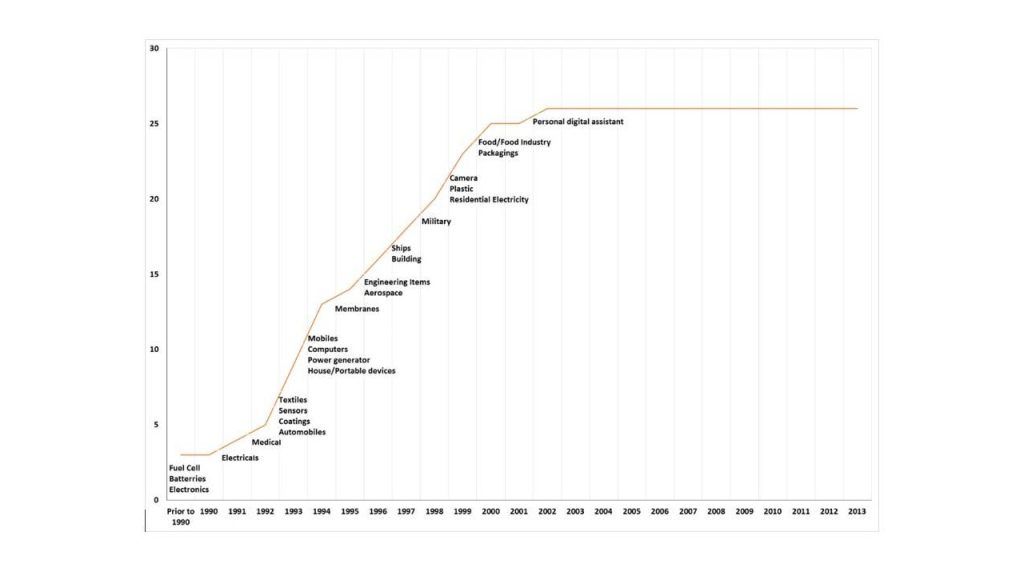
  • Technology trends by applications, industries, and emerging topics
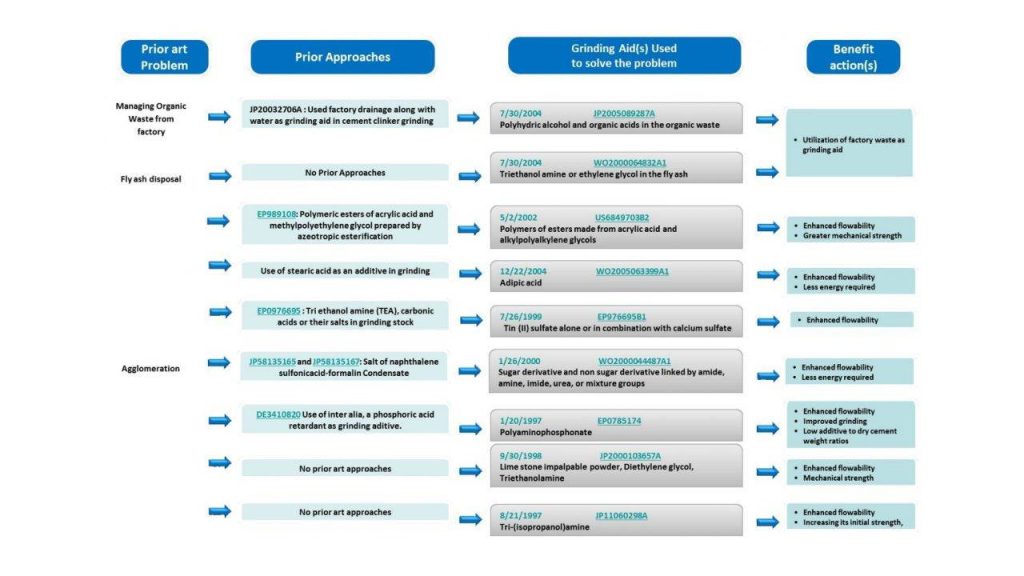
  • Prior problems and varied solutions
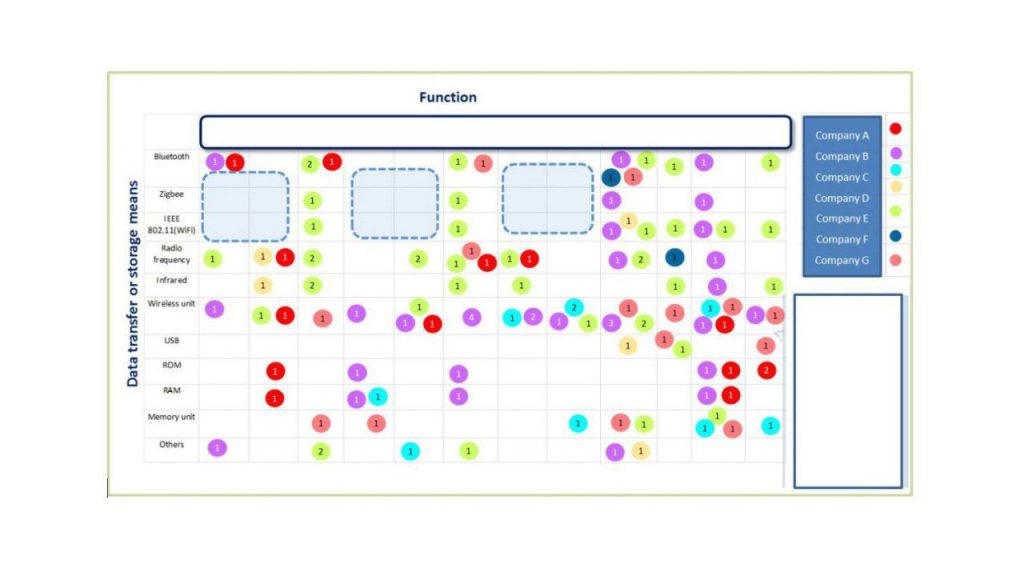
  • White space analysis of landscape to investigate research opportunities
Prior Art Search / Landscape Analysis FAQs

1. What is prior art?

Prior art refers to any publicly available information that existed before a patent’s priority date that could be relevant to assessing the novelty or inventive step of an invention. It includes granted patents, published patent applications, scientific journal articles, conference papers, product manuals, technical standards, and any other publicly accessible disclosure. Understanding prior art is fundamental to patent prosecution, patentability assessments, invalidity challenges, and freedom-to-operate studies. SciTech Patent Art searches both patent and non-patent literature to deliver the most comprehensive prior art picture for each engagement.

2. What is prior art in patent law?

In patent law, prior art is the body of publicly available knowledge against which a patent application is assessed to determine whether the claimed invention is novel and non-obvious. Any disclosure — a patent, a research paper, a product launch, a public presentation — that predates the application’s priority date and is accessible to the public can qualify as prior art. Patent examiners use prior art to reject applications during prosecution, and challengers use it to invalidate granted patents in IPR proceedings or litigation. The scope and quality of prior art identified directly determines the strength or vulnerability of a patent.

3. What is a prior art search?

A prior art search is a structured investigation across patent and non-patent literature sources to identify all publicly available disclosures relevant to a specific invention, technology, or patent claim. It is conducted before filing a patent application to assess patentability, during prosecution to respond to examiner rejections, or after grant to support invalidity challenges or freedom-to-operate analysis. SciTech Patent Art’s prior art searches combine keyword, classification, citation, and inventor searches with AI-powered deep web tools to surface references that conventional searches miss.

4. What is prior art search in patent prosecution?

In patent prosecution, a prior art search helps an applicant or attorney understand what has already been disclosed in the relevant technology area before filing, enabling them to draft claims that are genuinely novel and defensible. Examiners conduct their own prior art searches during examination, but applicant-commissioned searches are typically deeper and more strategically focused. A strong pre-filing prior art search reduces the risk of rejection, narrows the scope of necessary amendments, and builds a cleaner prosecution history. SciTech Patent Art supports applicants and patent attorneys at all stages of the prosecution lifecycle.

5. What does a prior art search include?

A thorough prior art search includes granted patents and published applications from major global patent offices, peer-reviewed scientific literature, conference proceedings, technical standards, product specifications, clinical trial data, and deep web sources not indexed by public search engines. Classification searches, keyword searches, citation searches, and inventor or author searches are layered together to ensure comprehensive coverage. SciTech Patent Art also searches non-patent literature databases tailored to the specific technology domain, since some of the most decisive prior art is found outside the patent record entirely.

6. What are the types of prior art searches?

The main types of prior art searches are patentability searches (conducted before filing to assess novelty), invalidity or validity searches (conducted to challenge or defend a granted patent), freedom-to-operate searches (conducted to assess infringement risk before a product launch), state-of-the-art or landscape searches (conducted to map the full technology landscape), and opposition searches (conducted to support pre-grant or post-grant patent challenges). Each type has a different strategic purpose but shares the same foundation of thorough patent and non-patent literature investigation. SciTech Patent Art offers all of these search types across a wide range of technology domains.

7. What is the most effective prior art patent search approach?

The most effective prior art patent search combines multiple search strategies — keyword, classification, citation, inventor, and assignee searches — across both patent databases and non-patent literature sources, including deep web repositories that public search engines cannot access. Relying on keyword searches alone or limiting coverage to a single database consistently produces incomplete results, particularly for older prior art or technical content published in specialized journals. SciTech Patent Art’s methodology layers AI-assisted tools with human expert analysis to ensure the search is both exhaustive and technically precise.

8. What are best practices for prior art searches?

Best practice for a prior art search includes starting with a thorough claim analysis to identify the core technical features to be searched, using multiple search strategies in parallel rather than sequentially, and covering both patent and non-patent literature across all relevant jurisdictions. Searches should extend to the earliest plausible priority date and be iterative — initial results often reveal new leads, synonyms, or related technologies worth exploring further. SciTech Patent Art follows a structured Standard Operating Procedure that incorporates all of these best practices, refined over more than two decades of IP search experience.

9. What is a landscape analysis?

A landscape analysis — also called a state-of-the-art search or technology landscape — is a comprehensive mapping of all relevant patent and non-patent literature in a specific technology area, designed to reveal what has already been done, who the key players are, and where opportunities for further innovation exist. It goes beyond a standard prior art search by synthesizing trends across time, geography, technology type, and applicant, rather than simply identifying individual references. SciTech Patent Art delivers landscape analyses with bibliography trend data, technology trend summaries, white space identification, and prior problem-solution mapping.

10. What is a competitive landscape analysis?

A competitive landscape analysis examines the patent and publication activity of competitors in a specific technology domain to reveal their R&D focus, filing strategies, key inventors, geographic coverage, and emerging technology directions. It helps companies understand where competitors are investing, which white spaces remain unoccupied, and how their own portfolio compares against the field. SciTech Patent Art’s competitive landscape work draws on both structured patent databases and non-patent literature to build a complete picture of the competitive technology environment.

11. What is a market landscape analysis in the context of IP?

A market landscape analysis in an IP context combines technology trend data from patents and publications with market-level intelligence — product launches, regulatory activity, industry standards, and academic research — to map both the competitive and commercial dimensions of a technology area. It helps R&D teams, business development professionals, and IP strategists identify where the market is heading and where patent protection or licensing opportunities may arise. SciTech Patent Art integrates patent landscape data with non-patent literature sources to deliver market-aware technology intelligence.

12. How does a prior art search support R&D strategy?

A prior art search conducted early in the R&D process helps teams avoid duplicating work that has already been done, identify approaches that have already been tried and abandoned, and spot white spaces where genuinely novel solutions are still needed. It also informs claim drafting strategy for future patent filings and helps prioritize R&D investment toward areas with the strongest patentability prospects. SciTech Patent Art works with R&D teams to deliver prior art and landscape searches that are directly actionable for technology development and IP planning.

13. What is a prior art search of patent literature specifically?

A prior art search of patent literature focuses specifically on granted patents and published patent applications across global patent offices — USPTO, EPO, WIPO, JPO, CNIPA, and others — to identify disclosures that could affect the novelty or scope of a specific invention or claim. Patent literature is the starting point for most prior art searches because it is well-indexed, globally accessible, and covers a wide range of technology domains in standardized formats. SciTech Patent Art supplements patent literature searches with non-patent literature coverage to ensure no relevant prior art is missed.

14. Who are the best prior art search firms?

The best prior art search firms combine deep technical domain expertise with proven search methodology, access to both patent and non-patent literature databases, and the ability to search deep web sources that standard tools cannot reach. SciTech Patent Art has been conducting prior art, landscape, validity, and freedom-to-operate searches since 2002, with a team of 100+ scientists and engineers spanning chemistry, biotechnology, pharmaceuticals, electronics, mechanical engineering, and more. Clients and legal teams across the US, Europe, and Asia rely on SciTech Patent Art for prior art searches where accuracy and depth are non-negotiable.

Sectors

Subject Matter Expertise

Biotechnology & Pharmaceuticals
Chemical Industry
Chemical Industry
Consumer Products
Consumer Products
Electronics & Telecommunications
Food Technology
Food Technology
Materials Science
Materials Science
Mechanical Equipment
Medical Devices
Medical Devices
Oil & Gas
Oil & Gas
Packaging & Design
Packaging & Design
Searches you can rely on

We deliver high-quality, and tailored searches. We consistently uncover invalidating art for tough claims, which speaks to our search rigor.

  • Database Access

    With over 22 years of experience, we excel in searching industry-leading patent, chemical structure, technical literature, and business databases.

  • Subject matter expertise

    Backed by 20+ years of expertise across fields like chemicals, electronics, and pharmaceuticals, our team delivers unmatched, high-impact results.

  • Deep Web Research

    Our unrivaled deep web crawling sets us apart—our expert data engineers work with subject specialists to uncover and access critical, targeted information.

  • Discovery Partner

    Through close collaboration with clients, often litigating attorneys, our searchers uncover invalidating references, making us a trusted discovery partner—delivering value far beyond typical search firms.

Give us a try. Let’s get started

our approach

How we meet your need

  • your-request

    Your Request

    • Question you are trying to answer
    • Type of search or analysis
    • Turnaround time and budget constraints, if any

  • Scope-and-timing

    Scope & Timing

    • Our proposal
    • Scope understanding
    • Search / analysis strategies
    • Examples
    • Cost and turnaround

  • Results-and-dicussion

    Results & Discussion

    • Preliminary results
    • Scope adjustments, if any
    • Discussion & iteration
    • Final report timing

  • Final-report

    Final Report

    • Final report with conclusions
    • Invoice submitted

Case Studies