Company & Inventor Profiling Services

Company & Inventor Profiling Services

SciTech Patent Art’s Company & Inventor Profiles offer detailed, insight-driven views of innovation strategies, technical strengths, and IP contributions. By analyzing patents, publications, and market activities, we uncover R&D focus areas, collaboration patterns, and key contributors. Our structured reports help clients benchmark competitors, scout talent, and identify emerging leaders in specific domains.

Our comprehensive Company and Inventor Profiles provide deep insights into innovation strategies, patent portfolios, and technological expertise.

Company Profiles include key business details, R&D focus, patent filing trends, technology domains, geographic coverage, and competitive benchmarking. We identify breakthrough innovations, strategic partnerships, and patent-to-product mapping to highlight a company’s innovation footprint.

Inventor Profiles showcase individual innovation journeys through patent activity analysis, technological specialization, collaboration networks, and citation metrics. We uncover inventors’ core expertise, affiliations, and their contributions to high-impact technologies.

These profiles are valuable for R&D strategy, competitive intelligence, collaboration opportunities, and identifying leading innovators in emerging technology areas.

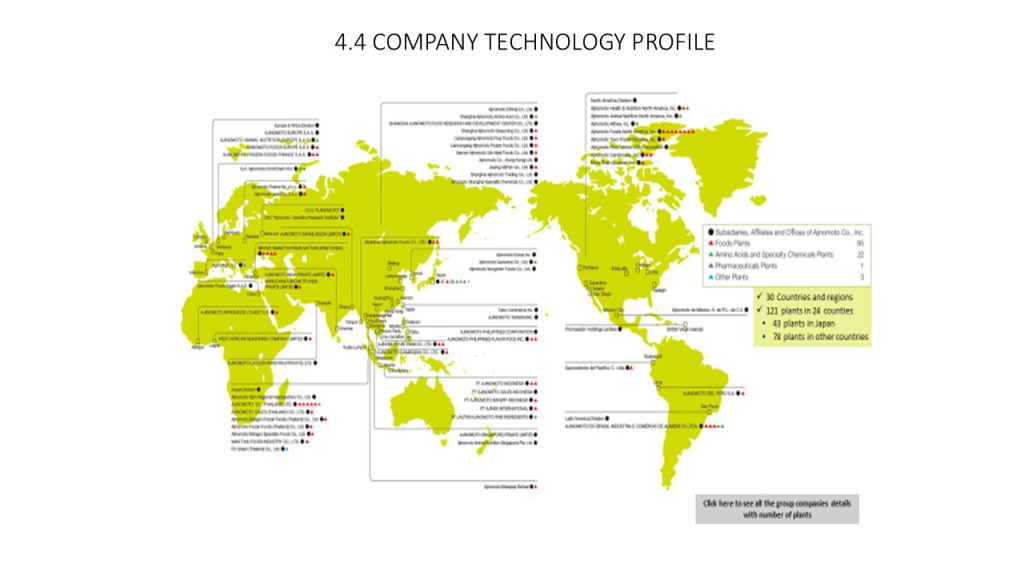
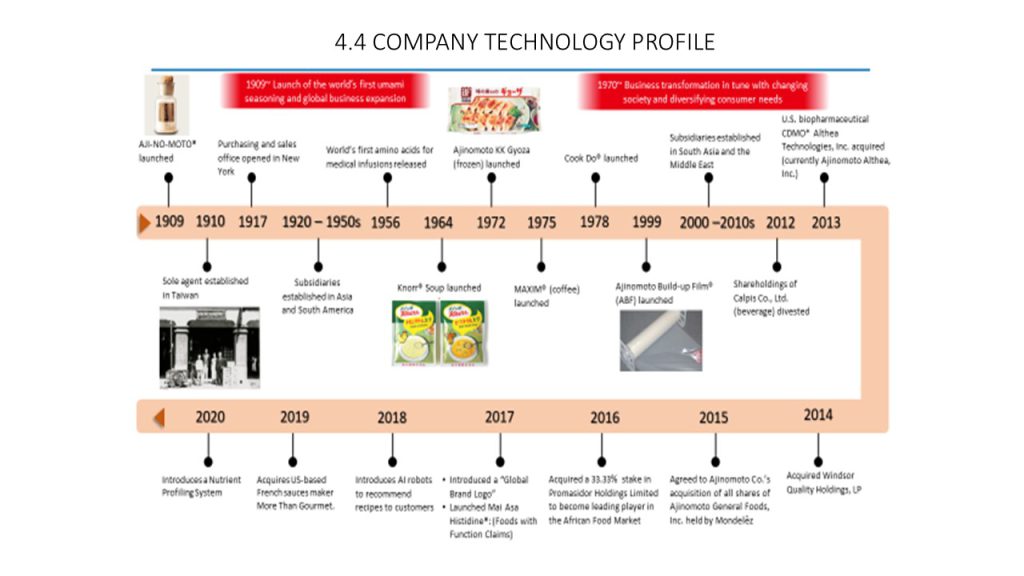
COMPANY TECHNOLOGY PROFILE

BUSINESS RELEVANCE
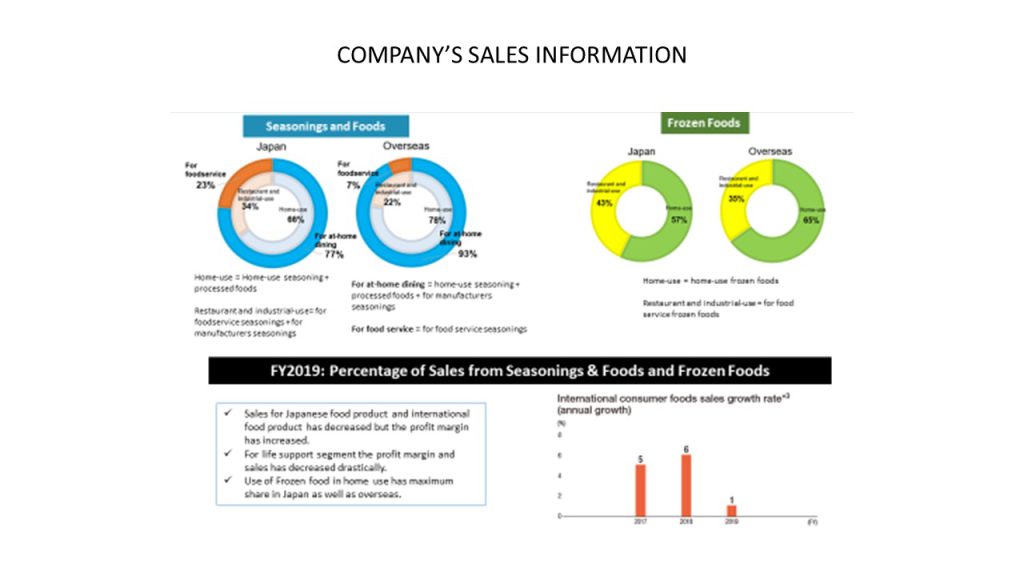
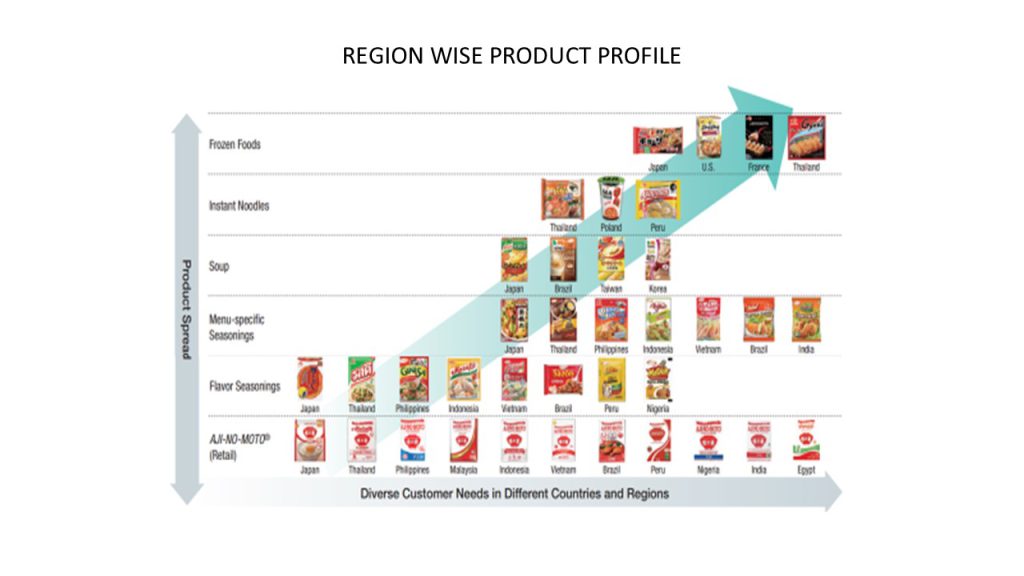
  • SPA conducted a study of complete portfolio of global food and ingredient company, including their financials and other information

WHAT SCITECH PATENT ART DID

  • SciTech Patent Art experts extracted information such as product portfolio, financial information, investments, technology related information from various sources and presented in the report.

CURRENT STATUS

  • Various clients are using such services to understand strategies of other companies/ competitors.
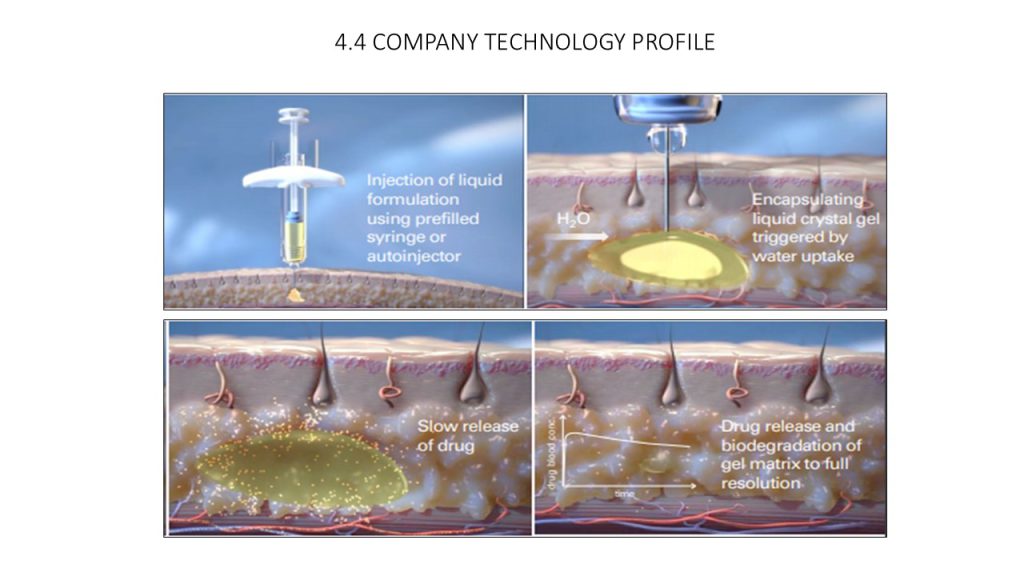
FluidCrystal® injection depot/ FluidCrystal® topical bioadhesive/ FluidCrystal® Nano particles

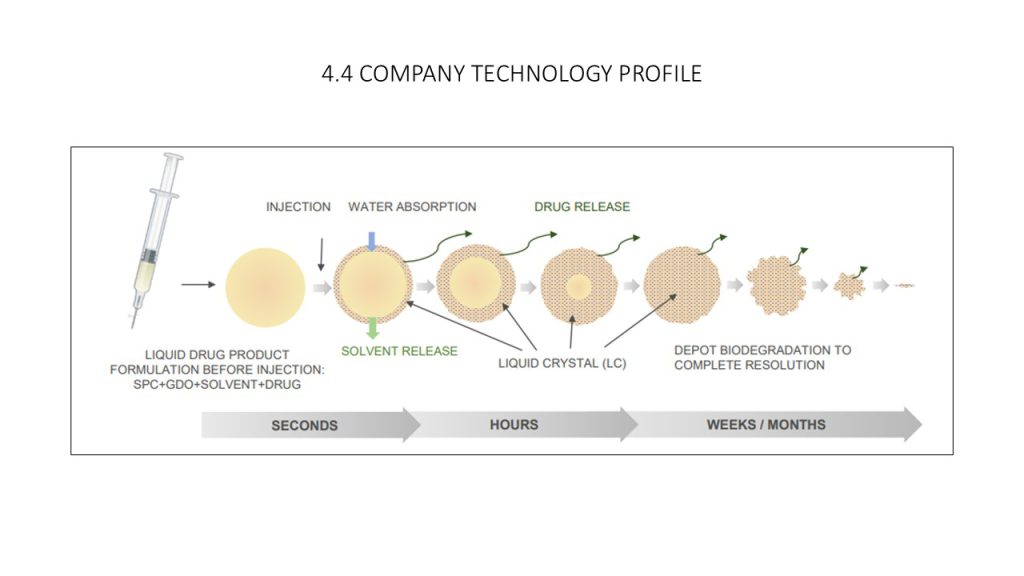
  • When a lipid-based liquid with an active ingredient is injected subcutaneously, it transforms into a liquid crystalline gel, which encapsulates the active ingredient. The drug is slowly released as the liquid crystalline matrix gradually degrade and the release can be controlled from several days to weeks or months depending on the composition. FluidCrystal® is suitable for biological peptides as well as small molecules.
  • By varying the lipid ratio and co-solvent levels of the FluidCrystal® Drug Delivery System (DDS), a large number of drug compounds have been loaded to predefined targets for clinical efficacy and duration.
  • oA low viscous precursor of the “active” sustained release Liquid Crystal (LC) phase.
  • oForms in vivo a reversed hexagonal (H2) or a cubic micellar (I2) phase, or mixtures and intermediates thereof.
  • oA mixture of two or more lipids, such as a lamellar phase forming phospholipid and a reversed micellar phase forming diacylglycerol.
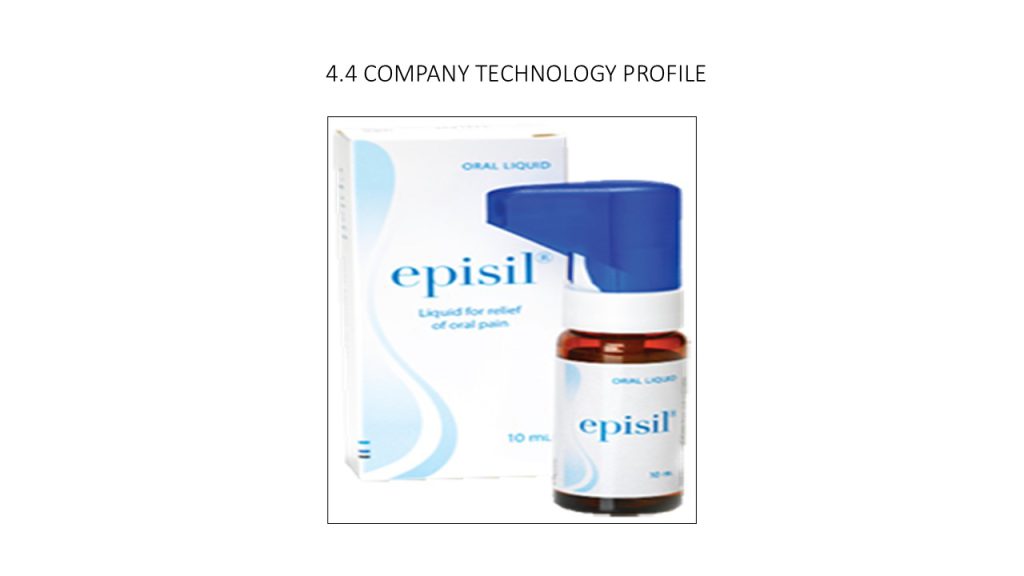
episil oral liquid is developed based on FluidCrystal® topical bioadhesive:
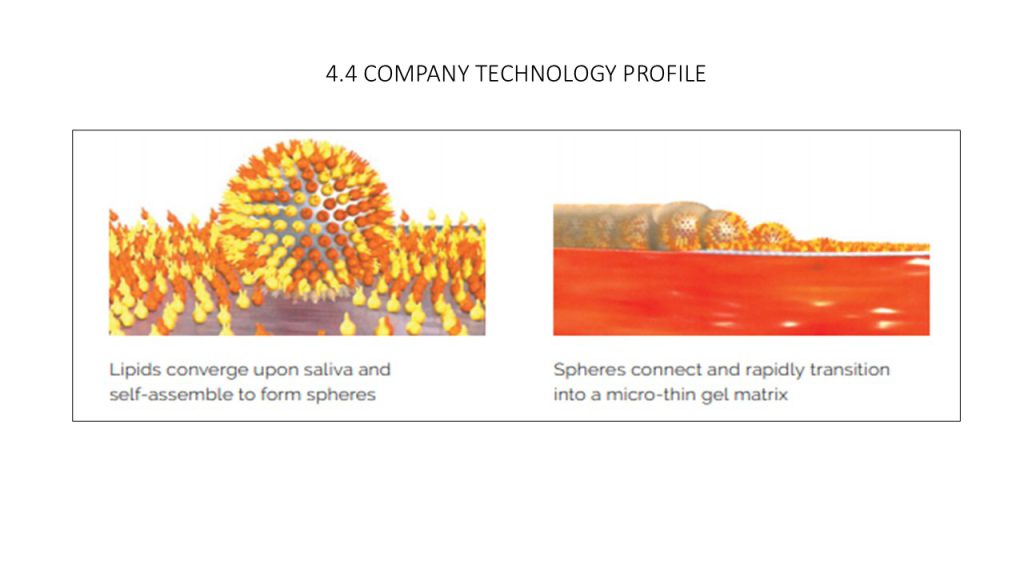
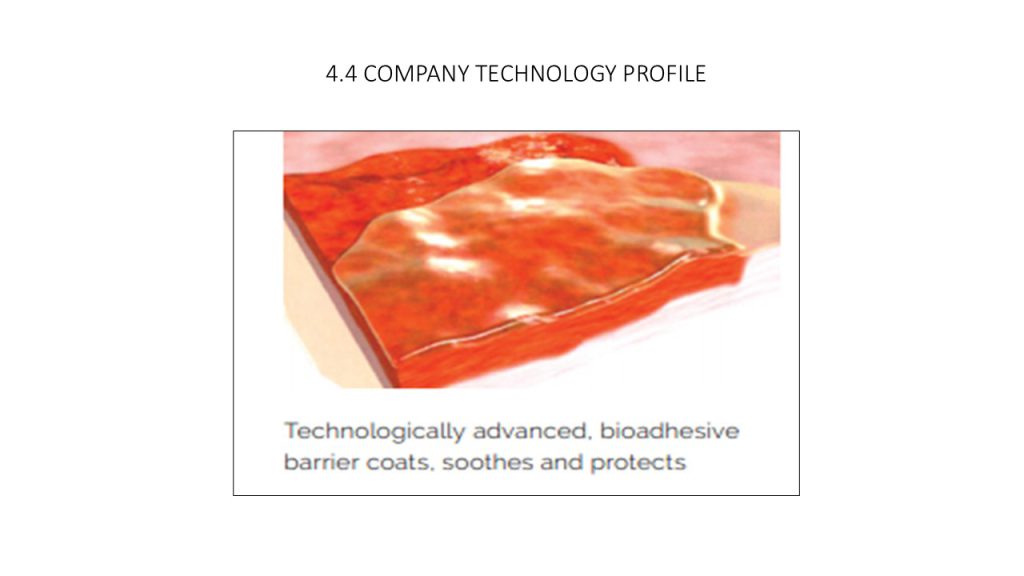
  • episil® oral liquid: is a medical device for treatment of inflammatory and painful conditions in the oral cavity. The product provides fast pain relief and protection of sore and inflamed mucosal surfaces, as well as severe inflammation caused by e.g. oral mucositis, a common and serious side effect of cancer treatment. In contact with the buccal membrane, episil® transforms into a thin protective layer of gel, offering effective pain relief for up to 8 hours.
  • Solasia Pharma – holding exclusive distribution rights to episil® oral liquid in Japan, China and South Korea.
  • Recommended dose: 1-3 pump strokes, 2-3 times per day or as needed.
  • Rapid pain relief, within 5 minutes; 1,2 Long-lasting effect, for up to 8 hours; Ready-to-use, pocket-sized device.
  • The product contains a patented mixture of phospholipids and glycerol dioleate. Within minutes of administration, and in contact with only small quantities of saliva, the lipid mixture self-assembles into a protective film that strongly adheres to the oral mucosa without producing a numbing effect, episil® liquid soothes painful oral lesions.
ADSORPTION & DESORPTION
  • Climeworks capturing technology is based on adsorption and desorption technology.
  • Climeworks uses an amine-functionalized sorbent of class II, such as the 3-aminopropylmethyldiethoxysilane (APDES), loaded onto nanofibrillated cellulose (NFC) (APDES-NFC-FD) (Wurzbacher, 2015, EP3319998A1).
  • During the adsorption phase, a ventilator drives air through the CO2 collector. CO2 reacts chemically with the adsorbent and binds to it.
  • Once adsorption is completed, the desorption process starts for this CO2 collector, which is now closed to the environment.
  • Collector units are alternately in adsorption and desorption phase.
  • Regeneration is achieved by temperature vacuum swing adsorption (TVSA) and at a temperature of 373 K, exploiting the waste heat from a local incinerator.
  • The system requires 200-300 kWh/tCO2 mainly for the fans and control systems. It also needs 1500-2000 kWh/tCO2 for regeneration, which can be supplied by low-grade or waste heat of geothermal plant.
  • The heat and electricity required to run the direct air capture process is supplied by the Hellisheidi Geothermal Power Plant.
  • A full cycle has a duration of 4–6 h.
  • The energy demand of the temperature-vacuum-swing adsorption/desorption cycle for delivering pure CO2 from air increases significantly with H2O adsorption and indicates the need to reduce the hygroscopicity of the adsorbent.
Adsorption & Desorption
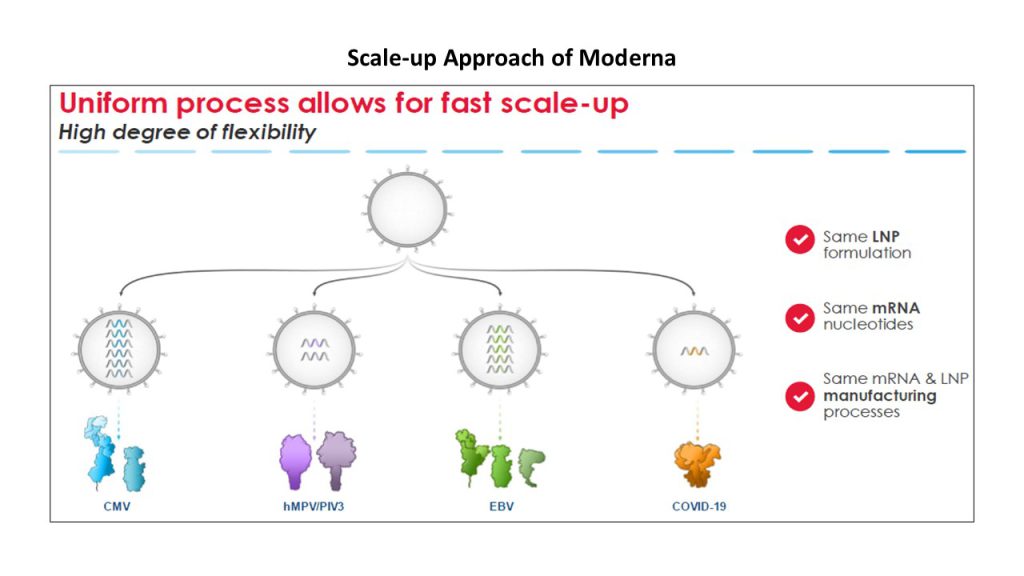
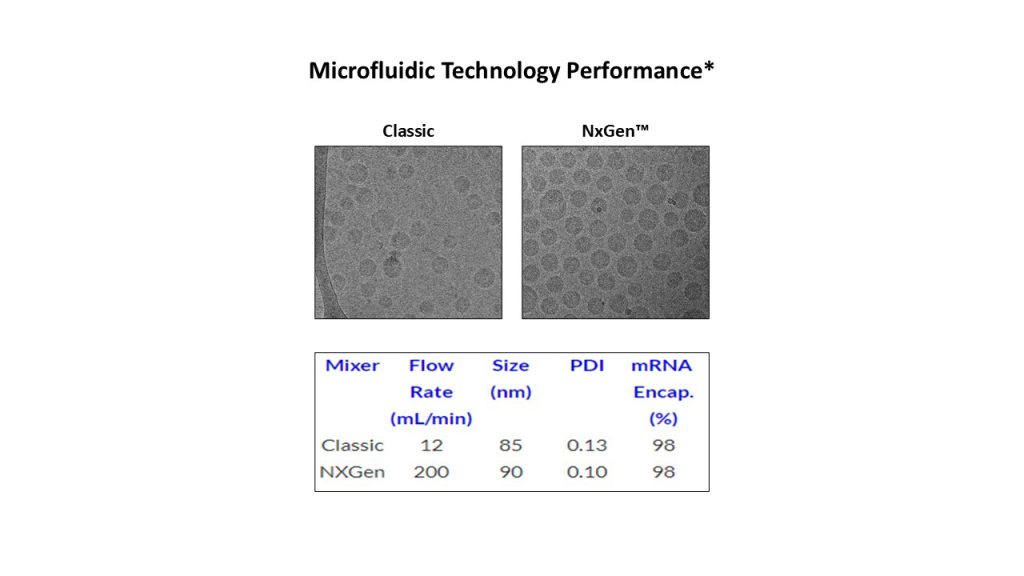
  • Moderna has reported that it has been using a standardized LNP formulation and scale-up for multiple vaccines. A key enabler of this process is Precision Nanosystems microfluidic technology.

Company & Inventor Profiling Service FAQs

1. What is company inventor profiling?

Company inventor profiling is a structured intelligence service that combines patent filing data, scientific publication records, financial information, and corporate disclosures to build a detailed picture of a company’s innovation strategy, key inventors, and technology focus areas. It goes beyond a simple patent count to reveal how a company’s R&D priorities have evolved over time, which technology domains it is investing most heavily in, and which individuals are driving its most significant innovations. SciTech Patent Art delivers company inventor profiling reports that are structured for direct use in competitive strategy, partnership evaluation, and talent identification workflows.

2. What is inventor profiling in IP research?

Inventor profiling in IP research is the process of building a comprehensive view of an individual inventor’s patent activity, covering their technology specializations, filing frequency, citation impact, co-inventor relationships, institutional affiliations, and the commercial significance of their innovations. It is used to identify high-value technical talent for recruitment, to track the movement of key inventors between organizations, and to find the most relevant external experts for open innovation or licensing outreach. SciTech Patent Art’s inventor profiling service draws on both patent databases and scientific publication records to build the most complete and accurate picture of each inventor’s contributions and current focus.

3. What is company patent profiling?

Company patent profiling examines a target organization’s full patent portfolio — analyzing filing trends over time, technology domain distribution, geographic coverage, citation impact, and the commercial relevance of key assets — to build an evidence-based picture of the company’s IP strength and innovation direction. It is used for competitive benchmarking, acquisition due diligence, licensing strategy, and R&D planning by organizations that need to understand a competitor’s or partner’s patent position in detail. SciTech Patent Art’s company patent profiling combines patent database analysis with product portfolio and financial data to produce a comprehensive innovation footprint report for each target organization.

4. What is patent portfolio profiling?

Patent portfolio profiling evaluates the full body of patents held by a company or individual across jurisdictions, technology sub-areas, and time periods, assessing the portfolio’s overall strength, coverage depth, enforceability, and strategic alignment with the owner’s commercial activities. It answers the question of whether a patent portfolio is genuinely protecting the organization’s most valuable innovations or whether significant gaps exist between what the company does and what its patents actually cover. SciTech Patent Art delivers patent portfolio profiling as a standalone service and as a component of broader competitive intelligence and M&A due diligence engagements.

5. What is competitor company profiling?

Competitor company profiling builds a structured intelligence dossier on a target competitor, combining patent filing trends, R&D investment signals, product portfolio evolution, strategic partnership records, and key inventor identification into a single report that gives clients a comprehensive view of a competitor’s innovation strategy and IP position. It is used by R&D leaders, IP strategists, and business development teams who need to understand not just what a competitor makes today but where their technology investments suggest they are heading. SciTech Patent Art’s competitor company profiling draws on proprietary tools and deep web research to surface intelligence that is not visible from publicly available sources alone.

6. What is inventor patent analysis?

Inventor patent analysis examines the patent filing history of a specific inventor — tracking their technology focus areas, filing frequency, co-inventor relationships, assignee history, and citation impact — to build a detailed picture of their technical expertise and innovation trajectory. It is particularly useful for identifying inventors who have moved between organizations, tracking the evolution of a key technical contributor’s work over time, and assessing whether a specific inventor’s body of work is relevant to a company’s own R&D or IP strategy. SciTech Patent Art’s inventor patent analysis is built on both patent database records and scientific literature to ensure the most complete possible coverage of each inventor’s published contributions.

7. What is an IP inventor profile?

An IP inventor profile is a structured document that captures the full scope of an inventor’s intellectual property contributions — including their patent filings, technology specializations, citation metrics, collaboration network, institutional affiliations, and any notable high-impact innovations — organized in a format that makes the inventor’s expertise and influence immediately clear. These profiles are used for talent recruitment, open innovation targeting, expert witness identification, and licensing outreach to individual inventors who hold relevant technology independently or through their current employer. SciTech Patent Art produces IP inventor profiles that combine patent data with publication records and corporate affiliation information to deliver the most complete picture available from public sources.

8. What is technology company profiling?

Technology company profiling builds a comprehensive intelligence report on a target company’s technology strategy — covering its patent portfolio, R&D investment focus, product development trajectory, strategic partnerships, key technical personnel, and competitive positioning relative to peers in the same technology domain. It is used by companies evaluating partnership or acquisition targets, investors assessing the technology strength of portfolio companies, and IP teams benchmarking their own portfolio against the competition. SciTech Patent Art’s technology company profiling integrates patent analysis, publication data, financial information, and product portfolio intelligence into a single structured report designed for immediate strategic use.

9. What is a patent inventor search?

A patent inventor search identifies all patents associated with a specific inventor, across jurisdictions, assignees, and time periods, to build a complete record of that inventor’s patent activity regardless of which organizations they have worked with, or which names or name variations appear in the filing records. It is the foundational step in inventor profiling, expert witness identification, and competitive talent intelligence, where accuracy and completeness of the inventor record directly affect the quality of the conclusions drawn. SciTech Patent Art’s patent inventor search methodology uses multiple name disambiguation techniques and cross-references patent records with publication data to ensure the most accurate and comprehensive inventor record possible.

10. What is competitive inventor intelligence?

Competitive inventor intelligence tracks the patent and publication activity of high-value inventors working for competitors — monitoring their technology focus, filing frequency, and co-inventor relationships to provide early signals of where a competitor’s R&D is heading before those directions become visible through product launches or press announcements. It is used by R&D leaders and IP strategists who want to stay ahead of competitor innovation rather than reacting to it after the fact. SciTech Patent Art delivers competitive inventor intelligence as a structured, regularly updated service that tracks defined inventor sets across client-specified technology domains and competitor organizations.

11. How does company profiling support M&A due diligence?

When evaluating an acquisition target in a technology-intensive sector, understanding the company’s patent portfolio strength, key inventor dependencies, R&D investment focus, and technology coverage gaps is as important as assessing its financial performance. SciTech Patent Art’s company profiling service surfaces this intelligence in a structured format that deal teams can navigate efficiently under the time pressure of an active transaction. Identifying inventor concentration risk, where a small number of key inventors account for the majority of a company’s most valuable IP, is one of the most commercially significant findings that company profiling regularly surfaces in M&A contexts.

12. How are inventor profiles used in talent recruitment?

Inventor profiles identify the most technically productive and strategically relevant inventors active in a specific technology domain — ranking them by filing frequency, citation impact, technology specialization, and collaboration network — giving talent acquisition teams a prioritized, evidence-based target list rather than relying on job boards or professional networking platforms alone. Tracking inventor mobility between organizations through patent filing history also reveals which high-value technical professionals have recently changed roles and may be open to new opportunities. SciTech Patent Art’s inventor profiling service is specifically structured to support talent identification alongside its primary use in open innovation and competitive intelligence programs.

13. What deliverables does SciTech Patent Art provide in company and inventor profiling?

SciTech Patent Art’s company profiling deliverables include key business details, R&D focus analysis, patent filing trend data, technology domain mapping, geographic coverage assessment, competitive benchmarking, breakthrough innovation identification, strategic partnership records, and patent-to-product mapping. Inventor profiling deliverables include patent activity analysis, technology specialization mapping, collaboration network visualization, citation impact metrics, and institutional affiliation history. All deliverables are structured for direct use by R&D strategy, competitive intelligence, business development, and IP management teams without requiring additional analysis or processing.

14. Why choose SciTech Patent Art for company and inventor profiling services?

SciTech Patent Art’s company and inventor profiling service combines patent database expertise, scientific publication analysis, proprietary ranking algorithms, and deep web research capabilities to deliver profiling intelligence that goes well beyond what standard patent analytics tools can generate. Our analysts bring both the technical domain knowledge to interpret patent and publication data in context and the IP research experience to distinguish strategically significant innovations from routine filings. Clients across competitive intelligence, R&D strategy, talent acquisition, and M&A due diligence consistently choose SciTech Patent Art for company and inventor profiling because the depth, accuracy, and strategic framing of our outputs make the intelligence immediately actionable rather than requiring further interpretation.

Sectors

Subject Matter Expertise

Biotechnology & Pharmaceuticals
Chemical Industry
Chemical Industry
Consumer Products
Consumer Products
Electronics & Telecommunications
Food Technology
Food Technology
Materials Science
Materials Science
Mechanical Equipment
Medical Devices
Medical Devices
Oil & Gas
Oil & Gas
Packaging & Design
Packaging & Design
Searches you can rely on

We deliver high-quality, and tailored searches. We consistently uncover invalidating art for tough claims, which speaks to our search rigor.

  • Database Access

    With over 22 years of experience, we excel in searching industry-leading patent, chemical structure, technical literature, and business databases.

  • Subject matter expertise

    Backed by 20+ years of expertise across fields like chemicals, electronics, and pharmaceuticals, our team delivers unmatched, high-impact results.

  • Deep Web Research

    Our unrivaled deep web crawling sets us apart—our expert data engineers work with subject specialists to uncover and access critical, targeted information.

  • Discovery Partner

    Through close collaboration with clients, often litigating attorneys, our searchers uncover invalidating references, making us a trusted discovery partner—delivering value far beyond typical search firms.

Give us a try. Let’s get started

our approach

How we meet your need

  • your-request

    Your Request

    • Question you are trying to answer
    • Type of search or analysis
    • Turnaround time and budget constraints, if any

  • Scope-and-timing

    Scope & Timing

    • Our proposal
    • Scope understanding
    • Search / analysis strategies
    • Examples
    • Cost and turnaround

  • Results-and-dicussion

    Results & Discussion

    • Preliminary results
    • Scope adjustments, if any
    • Discussion & iteration
    • Final report timing

  • Final-report

    Final Report

    • Final report with conclusions
    • Invoice submitted

Case Studies