Collaborations Analysis for Strategic Innovation

Collaborations Analysis

SciTech Patent Art’s collaborations analysis reveals strategic partnerships shaping innovation in your domain. By mining patents, publications, and corporate disclosures, we uncover co-invention analysis trends, joint ventures, and R&D alliances across geographies and sectors through comprehensive patent collaboration analysis. Our technology collaboration intelligence insights help clients identify potential collaborators, evaluate ecosystem dynamics, and align with key players driving technology development.

Who can I collaborate with?

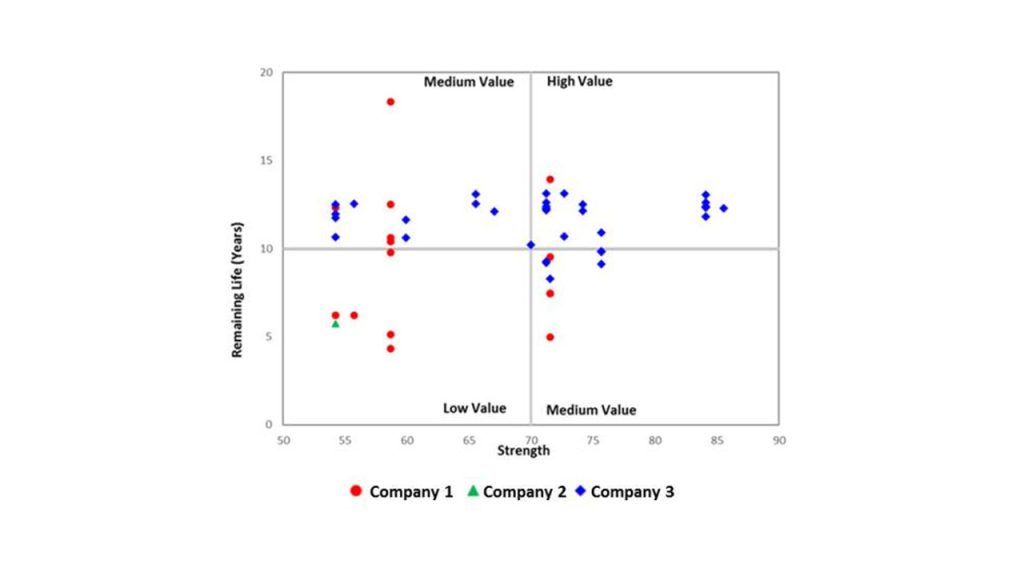
Collaborative network mapping is used by SPA clients to understand high value inventors or groups active in specific technology areas. Such inventor network analysis is used by SPA’s R&D clients for recruiting talent, tracking specific inventors and their progress, and identifying potential collaborators in their open innovation analysis programs. SPA conducts such R&D collaboration analysis based on patent information and scientific publication data. Such information is combined with SPA’s proprietary ranking algorithms to extract high-value records, which are then mapped to identify high-quality research groups and talent.

Why Patent Collaboration Analysis Matters for Open Innovation

Patent collaboration analysis and co-invention analysis are foundational tools for any organization running an open innovation program. They identify which external parties are generating the most relevant and high-quality IP in your target technology areas, and which research groups have demonstrated the ability to produce patentable innovations at the intersection of multiple disciplines. SciTech Patent Art’s proprietary ranking algorithms filter out noise to surface genuinely high-value collaboration targets, and our IP collaboration strategy outputs are structured to feed directly into partnership evaluation, licensing outreach, and talent acquisition workflows. Clients across pharmaceuticals, electronics, and advanced materials rely on SciTech Patent Art’s R&D collaboration analysis to build collaboration pipelines grounded in patent and publication evidence rather than anecdote.

Key Deliverables
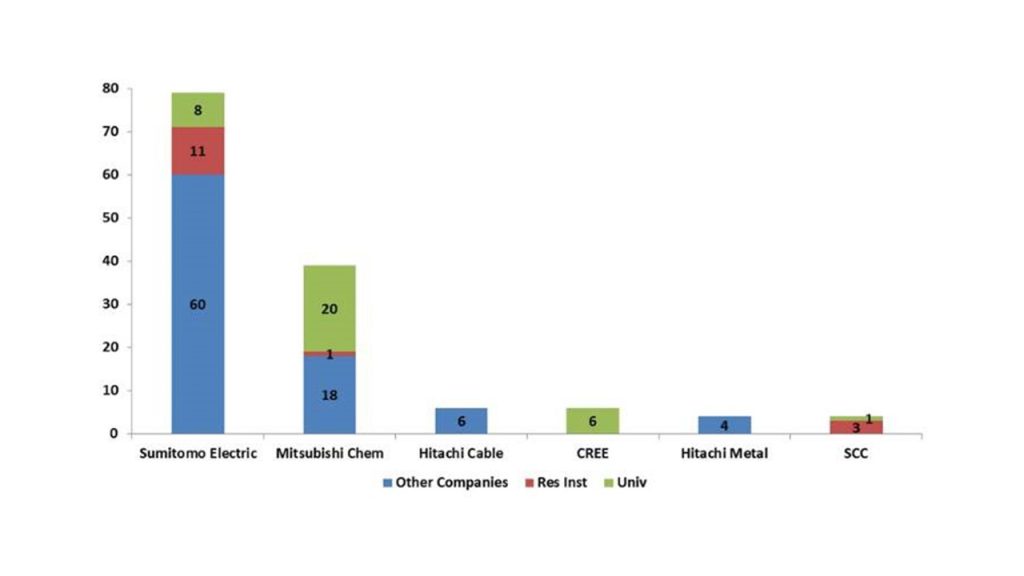
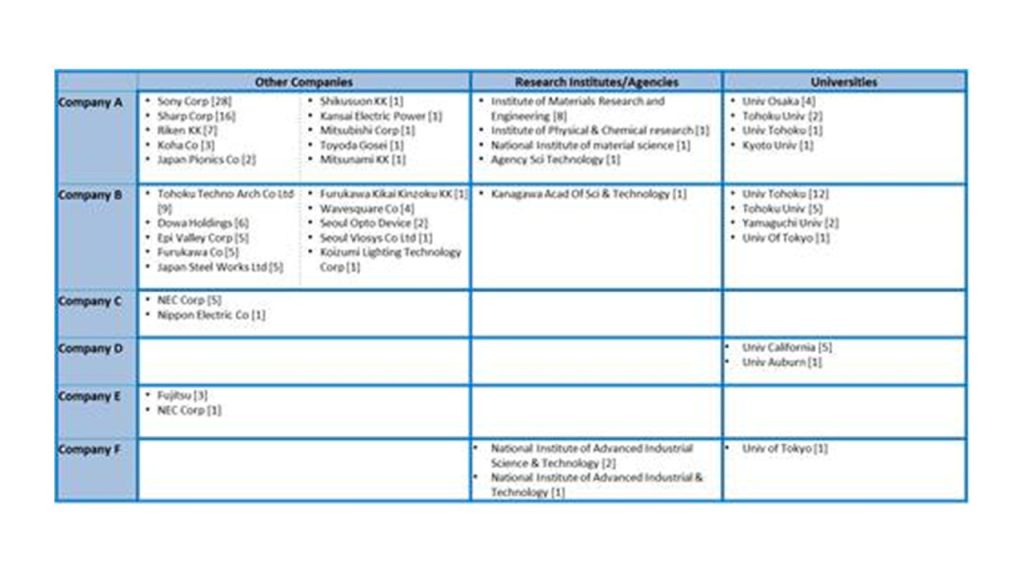
  • Collaboration intensity between industry / academia
  • Inventor networks
  • Specific technology areas of collaboration
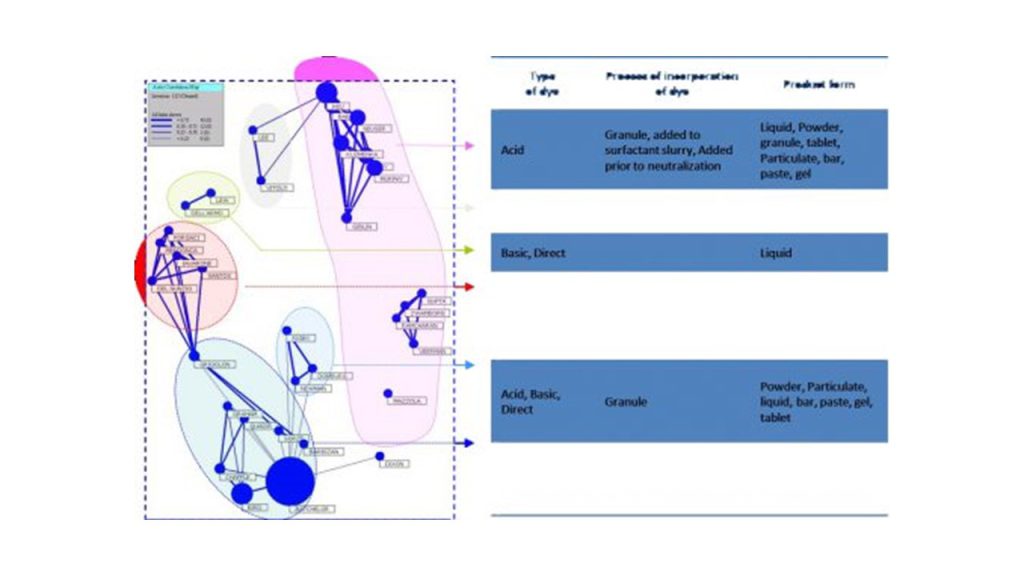
  • Collaborative network mapping across geographies and sectors
  • IP collaboration strategy recommendations based on patent and publication data
Collaborations Analysis FAQs

1. What is collaborations analysis in the context of IP and R&D?

Collaborations analysis is the process of mining patent filings, scientific publications, and corporate disclosures to map the partnerships, joint ventures, co-inventions, and R&D alliances that are shaping innovation in a specific technology domain. It reveals who is working with whom, at what intensity, and in which technology sub-areas — giving R&D and IP teams an evidence-based picture of the collaboration landscape rather than relying on press releases or industry gossip. SciTech Patent Art delivers collaborations analysis using proprietary ranking algorithms and both patent and publication data to surface the highest-value partnership intelligence for each client’s specific domain.

2. What is patent collaboration analysis?

Patent collaboration analysis examines co-inventor and co-assignee relationships in patent filings to identify which companies, universities, and research institutions are actively developing technology together in a specific domain. It reveals the structure and intensity of collaborative innovation networks — showing which partnerships are producing the most patent output, which are newly forming, and which have dissolved over time. SciTech Patent Art’s patent collaboration analysis is built on both patent and scientific publication data, giving clients a more complete view of collaboration activity than patent data alone can provide.

3. What is co-invention analysis?

Co-invention analysis identifies patents where inventors from two or more separate organizations contributed to the same invention — making it a reliable indicator of where genuine cross-organizational technical collaboration is taking place rather than simply parallel development in the same field. Tracking these relationships over time reveals how collaboration networks evolve, which partnerships are deepening, and which new alliances are beginning to form before they become visible through formal announcements or product launches. SciTech Patent Art maps co-invention relationships across time, geography, and technology sub-category to give clients a precise, evidence-backed picture of where collaborative innovation is actively happening in their domain.

4. What is collaborative network mapping?

Collaborative network mapping is a visual and analytical representation of the relationships between inventors, research groups, companies, and institutions active in a specific technology area — showing who is connected to whom, how strong those connections are, and which nodes in the network are most strategically central. It transforms patent and publication data into a navigable map of the innovation ecosystem, making it immediately clear which partnerships are dominant, which are emerging, and which organizations sit at the intersection of multiple active collaboration streams. SciTech Patent Art uses proprietary algorithms to generate collaborative network maps that are both visually intuitive and analytically rigorous.

5. What is inventor network analysis?

Inventor network analysis tracks individual inventors and the institutional relationships they carry — mapping which inventors are most active in a technology area, which organizations they are affiliated with, and which co-inventor relationships they maintain across different projects and time periods. This type of analysis is particularly valuable for talent identification and recruitment, open innovation targeting, and tracking the movement of key technical expertise between organizations. SciTech Patent Art’s inventor network analysis draws on both patent filing data and scientific publication records to build the most complete picture possible of high-value inventor activity in a client’s target technology domain.

6. What is open innovation analysis?

Open innovation analysis identifies external organizations, research groups, and individual inventors who are generating high-quality, relevant IP in a technology area that a company is targeting for its own development — providing the intelligence needed to select the most promising external collaboration, licensing, or acquisition targets. It goes beyond simply listing active filers to rank them by the quality and relevance of their output using proprietary scoring algorithms, ensuring clients focus outreach efforts on the partners most likely to deliver genuine value. SciTech Patent Art’s open innovation analysis is structured to feed directly into partnership evaluation processes, licensing outreach programs, and acquisition target lists.

7. What is R&D collaboration analysis?

R&D collaboration analysis draws on co-inventorship records, publication co-authorship data, and corporate disclosures to build a structured picture of which organizations are actively developing technology together — and how productive those partnerships have been in generating patentable innovations. Rather than treating each patent or paper as an isolated output, this analysis connects the dots between institutions and individuals to reveal the underlying collaborative relationships that are driving innovation in a specific domain. SciTech Patent Art conducts R&D collaboration analysis across pharmaceuticals, biotechnology, electronics, advanced materials, and telecommunications, with domain-specialist analysts who ensure findings are interpreted with the technical context each industry requires.

8. What is technology collaboration intelligence?

Technology collaboration intelligence synthesizes patent filings, scientific publications, and corporate disclosures into a structured map of who is working together in a technology domain, what those partnerships are producing, and where the most strategically significant collaborative activity is concentrated. By monitoring how new alliances form and how existing ones evolve, companies gain early visibility into shifts in the innovation ecosystem before those changes surface in product announcements or market movements. SciTech Patent Art delivers technology collaboration intelligence as a client-specific output that feeds directly into open innovation strategy, partner identification, and competitive intelligence workflows.

9. What is academic industry collaboration analysis?

Academic industry collaboration analysis examines the co-invention and co-publication relationships between universities, research institutes, and commercial companies in a specific technology area — revealing which academic institutions are the most active commercial research partners and which industry players are most deeply embedded in the academic research ecosystem. This intelligence is particularly valuable for companies seeking to license early-stage technology from university technology transfer offices or to establish sponsored research agreements with leading academic groups before competitors identify the same targets. SciTech Patent Art’s academic industry collaboration analysis uses both patent and scientific literature data to map these relationships comprehensively across all major research-active institutions in a given domain.

10. What is IP collaboration strategy?

IP collaboration strategy is the planning process through which a company decides how to engage with external partners, through licensing, joint development agreements, sponsored research, or acquisition, based on a structured analysis of the collaboration landscape in its target technology areas. A well-grounded IP collaboration strategy is built on evidence from patent collaboration analysis, inventor network mapping, and open innovation intelligence rather than on informal relationship networks alone. SciTech Patent Art supports IP collaboration strategy development by providing the analytical foundation, collaboration maps, inventor rankings, co-invention trends, that allows clients to make partnership decisions based on data rather than assumption.

11. How does collaborations analysis support talent identification and recruitment?

Patent and publication data reveal which inventors are most active and most productive in a specific technology area, and collaborative network mapping shows which of those inventors are currently affiliated with organizations that a company might approach for recruitment or partnership. Tracking inventor mobility, where high-value inventors have moved between organizations over time, adds another layer of intelligence that is directly useful for talent acquisition strategy. SciTech Patent Art’s collaborations analysis service includes inventor network mapping specifically designed to support talent identification alongside its primary use in partnership and open innovation programs.

12. Which industries benefit most from collaborations analysis?

Industries where innovation depends heavily on cross-organizational collaboration including pharmaceuticals, biotechnology, advanced materials, semiconductors, telecommunications, and clean energy derive the most strategic value from collaborations analysis because the partnership landscape in these sectors is dense, fast-moving, and directly linked to competitive IP positioning. In these fields, understanding who is working with whom, and on what, is as strategically important as understanding what patents exist. SciTech Patent Art has conducted collaborations analysis across all of these domains, with domain-specialist analysts ensuring that patent and publication data is interpreted with the technical context each industry requires.

13. How is collaborations analysis different from a standard patent landscape analysis?

A patent landscape analysis maps what has been invented and by whom — focusing on the distribution of patent rights across technology sub-areas, geographies, and assignees. A collaborations analysis goes a layer deeper by examining the relationships between those assignees — revealing which organizations are co-developing technology, which research groups are producing the most influential joint innovations, and where the most strategically significant partnership networks are forming. SciTech Patent Art delivers both services independently and as integrated engagements for clients who want both a map of the IP landscape and a map of the human and institutional relationships driving it.

14. Why choose SciTech Patent Art for collaborations analysis?

SciTech Patent Art’s collaborations analysis service combines patent data, scientific publication data, and proprietary ranking algorithms to surface collaboration intelligence that goes well beyond what any single data source or off-the-shelf analytics tool can provide. Our analysts bring both the technical domain knowledge to interpret co-invention relationships in context and the IP research experience to distinguish genuinely significant partnerships from superficial co-filings that carry no real collaborative weight. Clients across R&D, business development, and IP strategy functions rely on SciTech Patent Art’s collaborations analysis to build partnership pipelines, strengthen open innovation programs, and gain a competitive edge through intelligence that competitors are not yet using.

Sectors

Subject Matter Expertise

Biotechnology & Pharmaceuticals
Chemical Industry
Chemical Industry
Consumer Products
Consumer Products
Electronics & Telecommunications
Food Technology
Food Technology
Materials Science
Materials Science
Mechanical Equipment
Medical Devices
Medical Devices
Oil & Gas
Oil & Gas
Packaging & Design
Packaging & Design
Searches you can rely on

We deliver high-quality, and tailored searches. We consistently uncover invalidating art for tough claims, which speaks to our search rigor.

  • Database Access

    With over 22 years of experience, we excel in searching industry-leading patent, chemical structure, technical literature, and business databases.

  • Subject matter expertise

    Backed by 20+ years of expertise across fields like chemicals, electronics, and pharmaceuticals, our team delivers unmatched, high-impact results.

  • Deep Web Research

    Our unrivaled deep web crawling sets us apart—our expert data engineers work with subject specialists to uncover and access critical, targeted information.

  • Discovery Partner

    Through close collaboration with clients, often litigating attorneys, our searchers uncover invalidating references, making us a trusted discovery partner—delivering value far beyond typical search firms.

Give us a try. Let’s get started

our approach

How we meet your need

  • your-request

    Your Request

    • Question you are trying to answer
    • Type of search or analysis
    • Turnaround time and budget constraints, if any

  • Scope-and-timing

    Scope & Timing

    • Our proposal
    • Scope understanding
    • Search / analysis strategies
    • Examples
    • Cost and turnaround

  • Results-and-dicussion

    Results & Discussion

    • Preliminary results
    • Scope adjustments, if any
    • Discussion & iteration
    • Final report timing

  • Final-report

    Final Report

    • Final report with conclusions
    • Invoice submitted

Case Studies